The Biograph Theater: From Dillinger's Last Movie to Live Theater on Lincoln Avenue
October 30, 2026
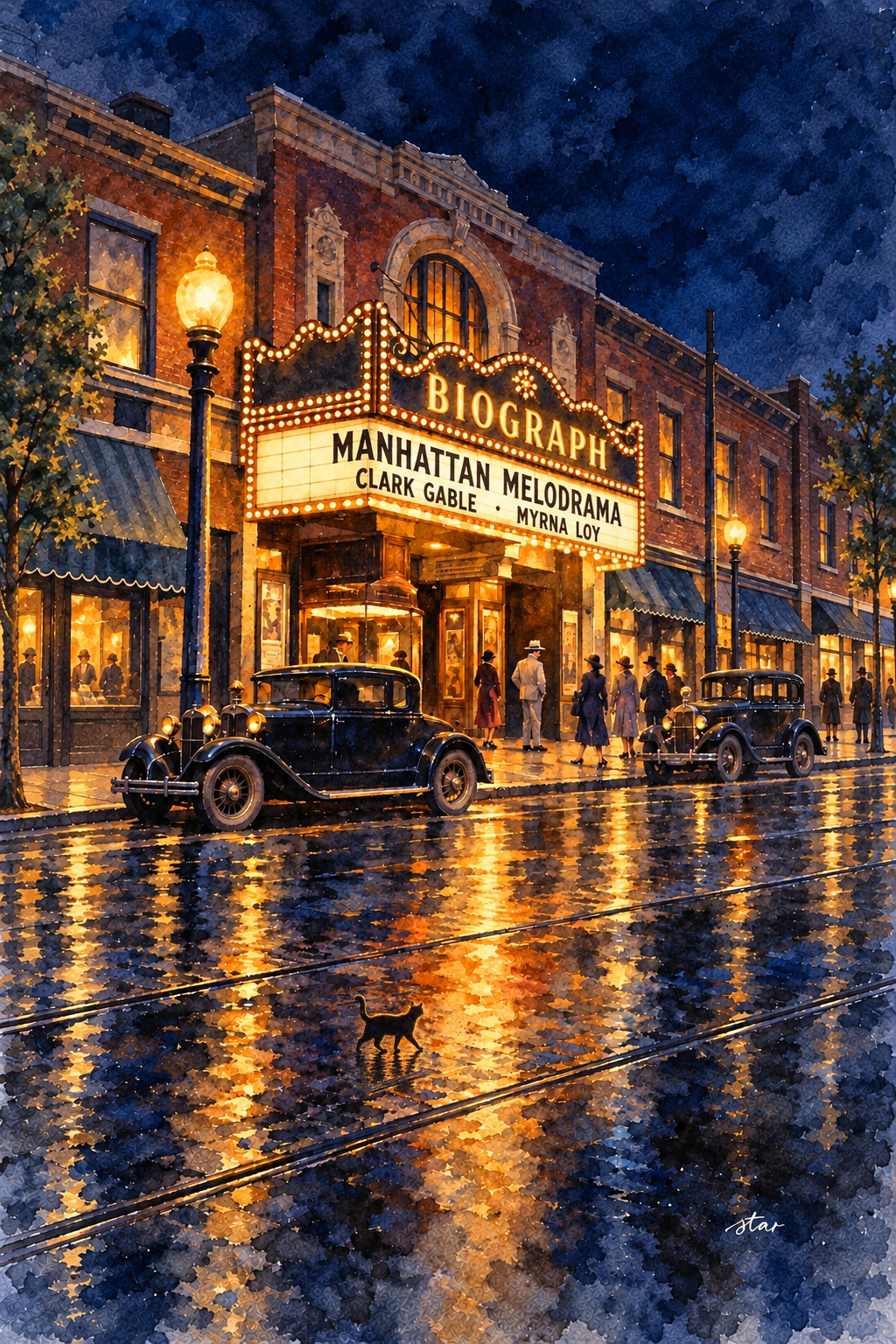
The Biograph Theater at 2433 North Lincoln Avenue is a modest building with an outsized place in American crime history. John Dillinger watched Manhattan Melodrama here on July 22, 1934, then walked outside into an ambush by federal agents. The bank robber's death made a neighborhood movie house a national landmark of a different kind.
That story can obscure the architecture and the building's continuing life. The Biograph opened in 1914, became a repertory and midnight-movie destination, and was rebuilt for live theater in 2006. After years of limited activity, it is again hosting a full season: Porchlight Music Theatre's Little Shop of Horrors is scheduled here November 4-December 13, 2026.
A movie house built for the neighborhood
Developer Charles Erickson bought a 125-foot-wide Lincoln Avenue lot in 1912. In April 1914 his wife, Lena, signed a twenty-year lease with the Lubliner & Trinz movie chain. The agreement called for a theater with at least 999 seats, to be built for the operators. Construction began in May and the Biograph opened in late September.
Samuel N. Crowen designed the combined theater-and-stores building. His classically detailed work also included downtown office buildings; the city's landmark report points to his much taller Willoughby Tower on Michigan Avenue. At the Biograph, the challenge was to give a relatively new form of mass entertainment a respectable presence in an established commercial neighborhood.
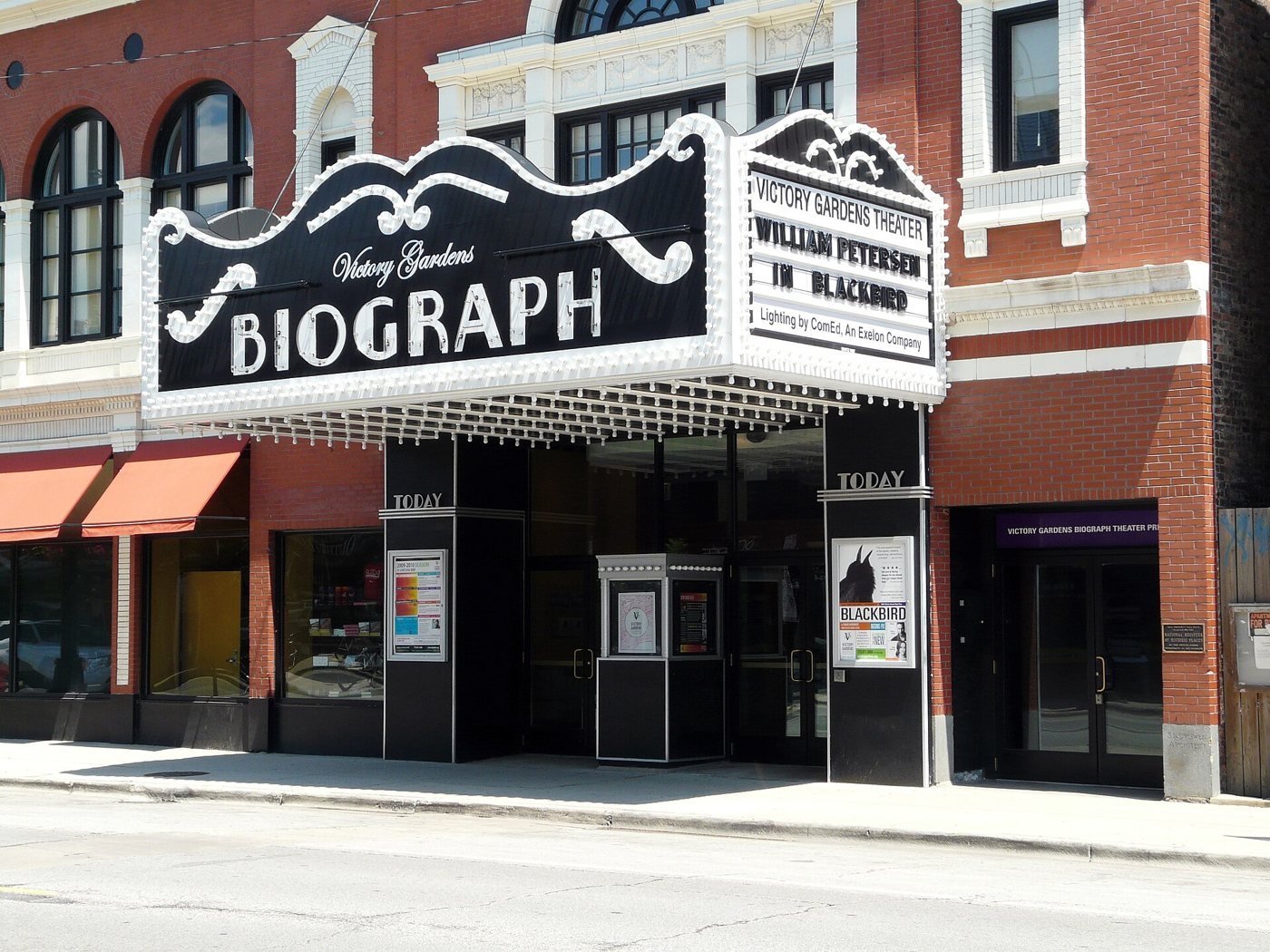
The two-story Lincoln Avenue facade uses red pressed brick and white glazed terra cotta. Above the entrance is a Palladian-style grouping: a large round-arched window between lower rectangular openings. Other upper windows sit within an arcade, while terra-cotta pilasters and a horizontal molding give the street front an orderly classical frame.
This is not the grandiose architecture of the Chicago and Uptown movie palaces that followed in the 1920s. The Biograph belongs to an earlier generation, when purpose-built cinemas were becoming part of ordinary shopping streets. Storefronts, an upstairs assembly or dance-hall space and the auditorium shared one complex. The historic landmark address covers 2433-43 North Lincoln, broader than the familiar theater entrance.
The marquee is not the whole building
The theater entrance was about thirty feet wide and recessed behind a freestanding ticket booth. Its lobby turned at a right angle into the auditorium at the rear, where the screen originally stood along the north wall. That arrangement explains why the public face seems small beside the volume hidden behind it.
The canopy marquee dates to 1933, not the original 1914 opening. The 1930s remodeling also introduced Art Deco entrance details, streamlined sign cases, terrazzo and cove lighting. A tall vertical sign once rose above the entrance but disappeared later. Lettering has changed over time, so the familiar name does not mean every visible sign component is original.
The city's 2000 landmark report records more changes in 1983: two small upstairs cinemas, the Roxy and Ritz, occupied former hall space, and upper windows were blacked out. Ground-floor storefronts were also replaced. Those observations describe the building before its later live-theater conversion, not the condition of every room today.
Dillinger, Purvis and the Woman in Red
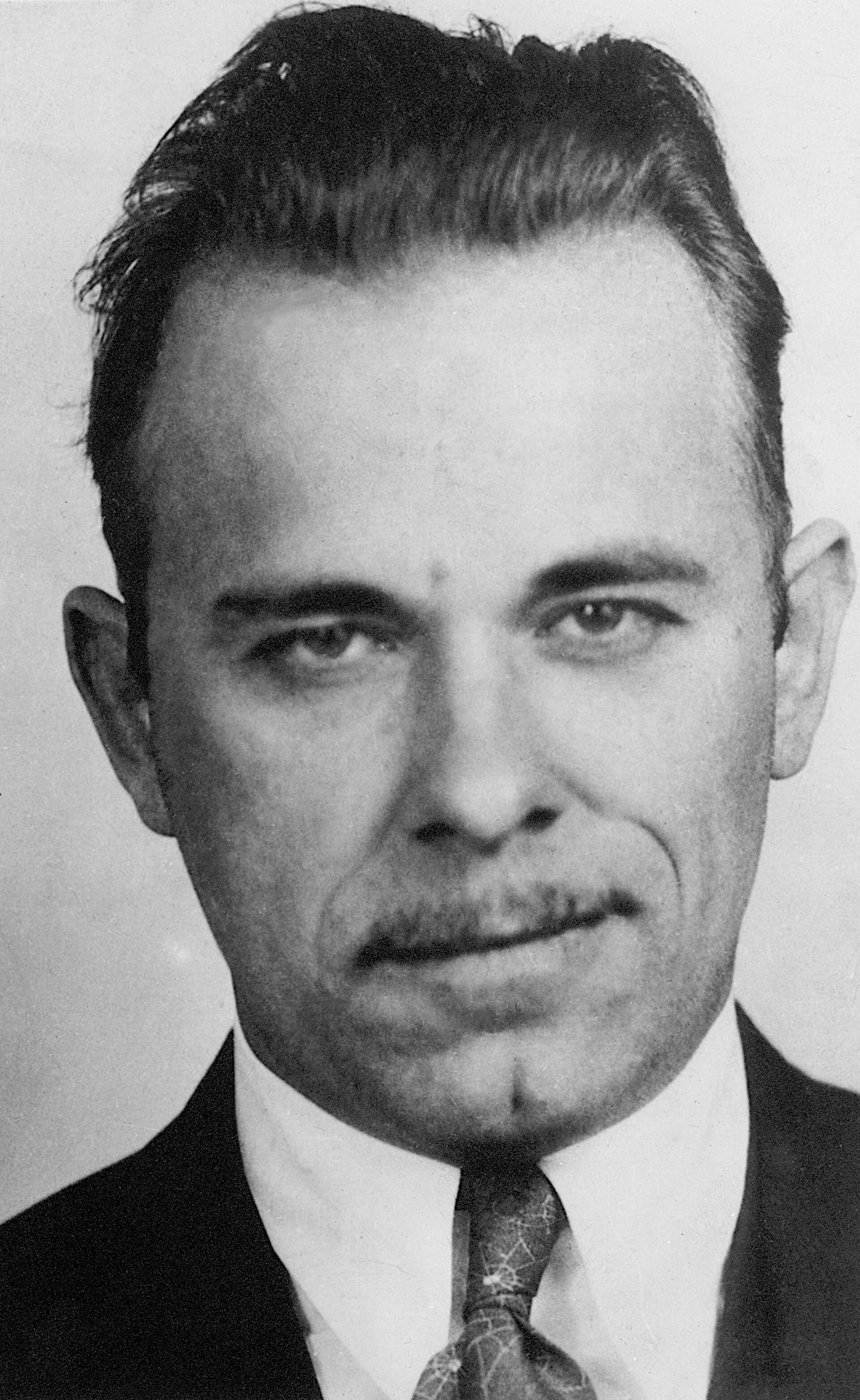
Dillinger was a bank robber whose robberies, jailbreaks and gun battles became national news during the Depression. By summer 1934 federal agents were hunting him in Chicago. Anna Sage, also known as Ana Cumpanas, offered information while facing deportation to Romania. Her connection to Dillinger ran through his companion Polly Hamilton.
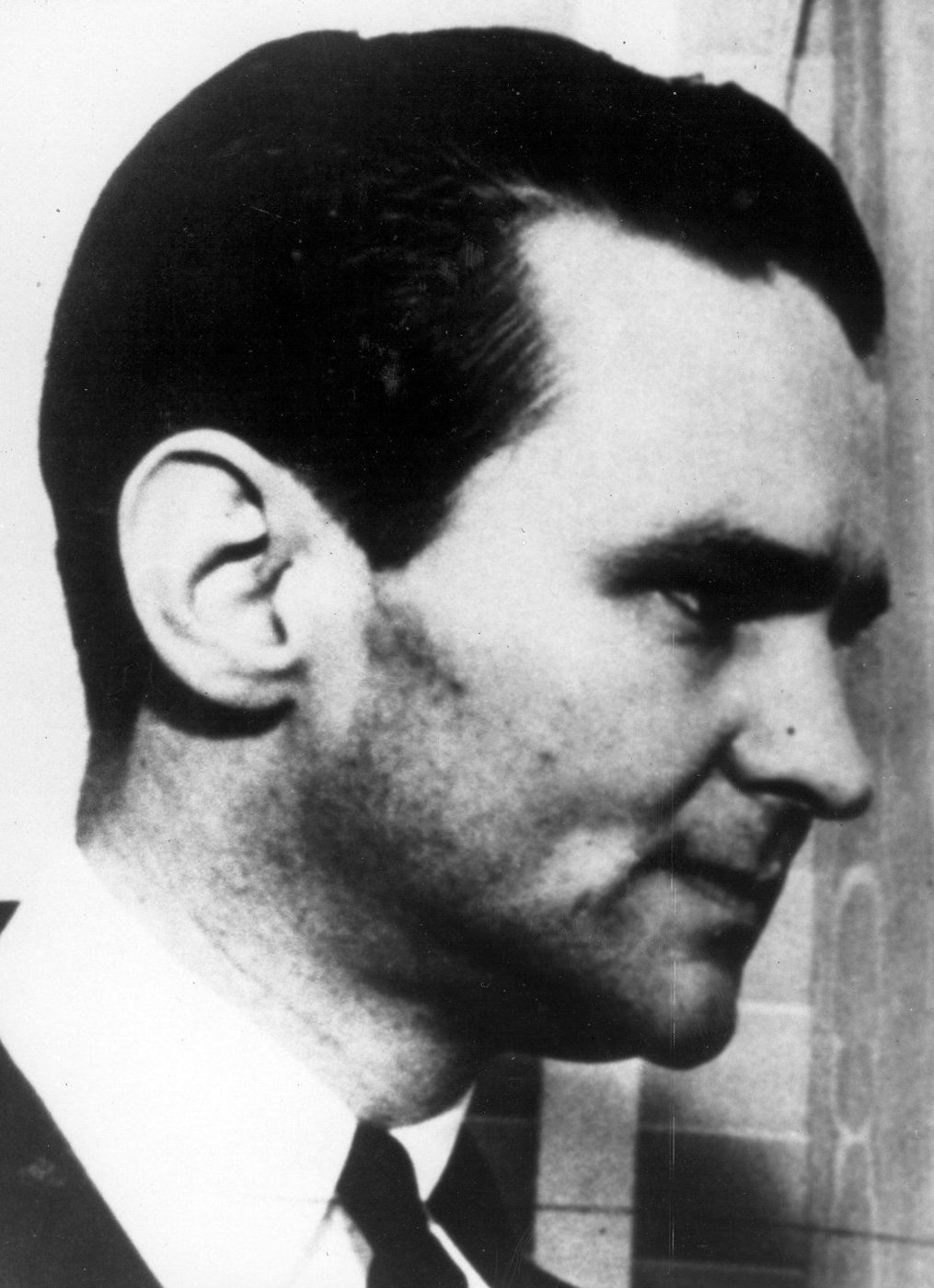
PBS's American Experience account says Sage met Special Agent Melvin Purvis on July 19. He offered to do what he could about her deportation but made no guarantee. Three days later she told him that Dillinger had invited her and Hamilton to a movie. Sage said she would wear an orange skirt and white blouse so agents could identify her. The lasting nickname, the Woman in Red, is therefore less precise than the clothing described in that account.
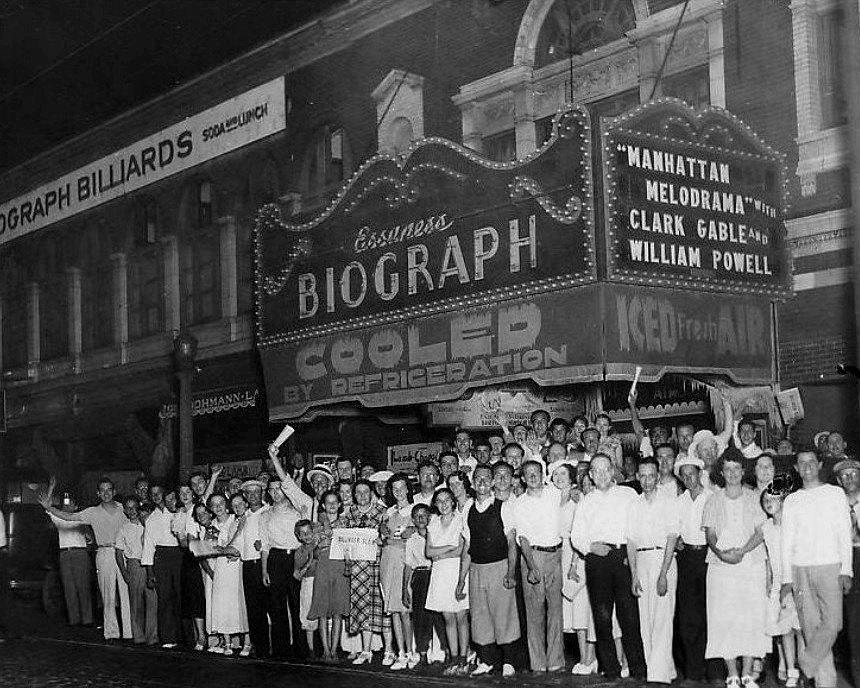
The Biograph was showing Manhattan Melodrama, starring Clark Gable, William Powell and Myrna Loy. Agents watched the entrance while the party sat inside. When the film ended, Dillinger and the two women emerged onto Lincoln Avenue and headed south.
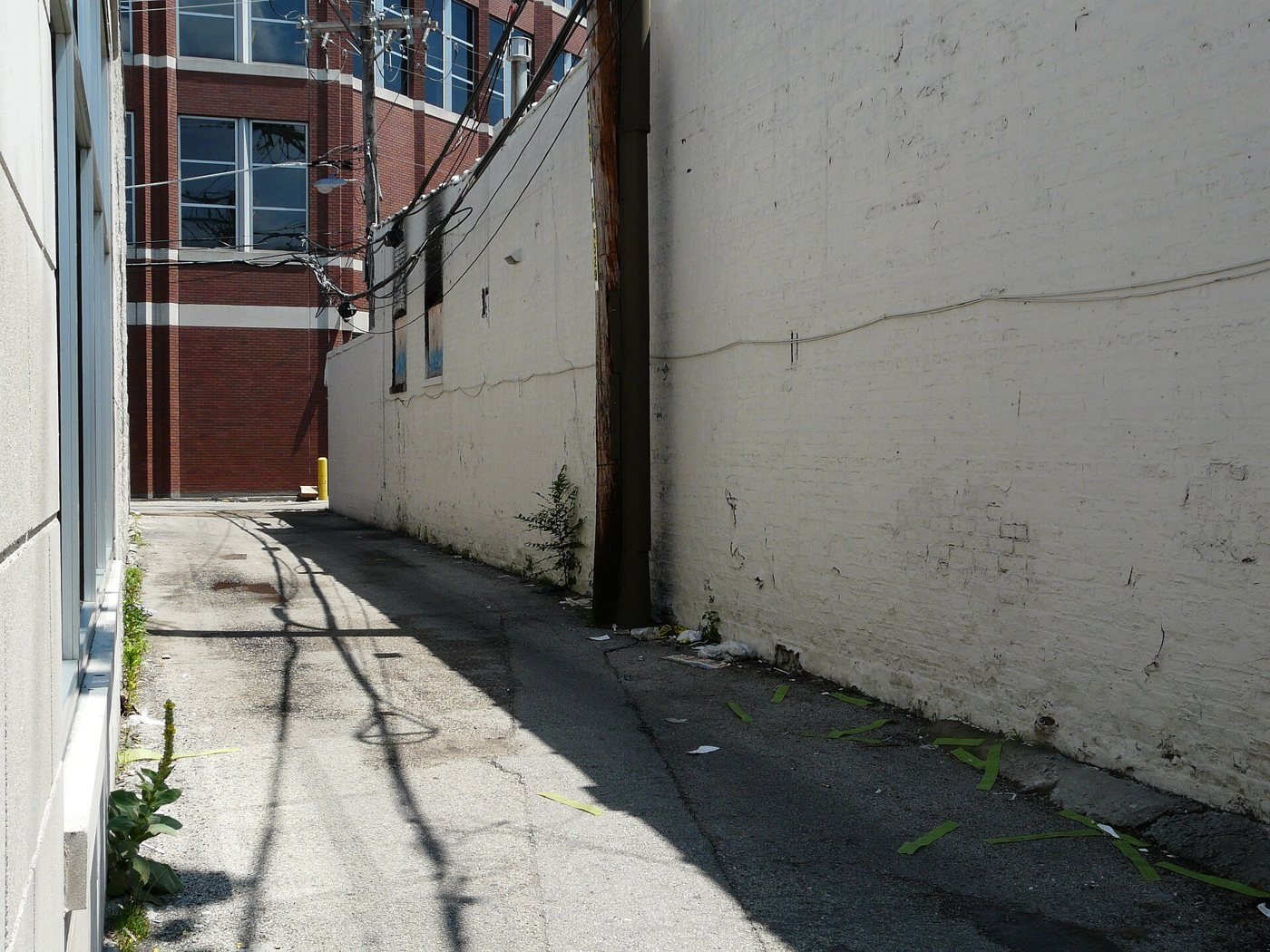
The city's landmark report places the encounter near an alley south of the theater and an intervening food store. It recounts reports that Dillinger reached for a gun before agents and police opened fire. The essential geography is outside the auditorium, not a gunfight among the cinema seats. Precise retellings of the final seconds vary, but neither the marquee nor the interior should be mistaken for the exact spot where he fell.
Crowds quickly gathered, and news photographs turned the theater frontage into an image recognized far beyond Chicago. Sage received a reward but did not obtain the protection from deportation she had hoped for. PBS records that she was deported in April 1936. The bargain behind the ambush had consequences after the famous night was over.
From film culture to a protected landmark
The Biograph kept showing movies for decades after Dillinger's death. Later repertory programming and midnight screenings of The Rocky Horror Picture Show gave it a different cultural following. It was a place to return to for a familiar ritual, rather than simply the backdrop to one sensational event.
The building entered the National Register of Historic Places in 1984 and became a Chicago Landmark on March 28, 2001. The city recognized both the historical event and the surviving architecture of an early cinema. Those are related reasons to preserve it, but they are not interchangeable: without the crime story, the brickwork, terra cotta and theater-with-stores plan would still explain a stage in Chicago's movie-house development.
Victory Gardens changes the auditorium
Victory Gardens Theater bought the Biograph in 2004 after abandoning a proposed move to the Royal George. Its identity was built around new plays, including work by Chicago writers. Moving into a former cinema gave the company a prominent home but required a different kind of performance space.
Daniel P. Coffey & Associates designed the conversion, with Pepper Construction carrying out interior and facade work. Pepper describes substantial structural changes for stage wings, fly space and a trap system beneath the stage, along with improved lobby, concessions, restrooms and accessibility. A film screen could disappear without sacrificing the historic street facade.
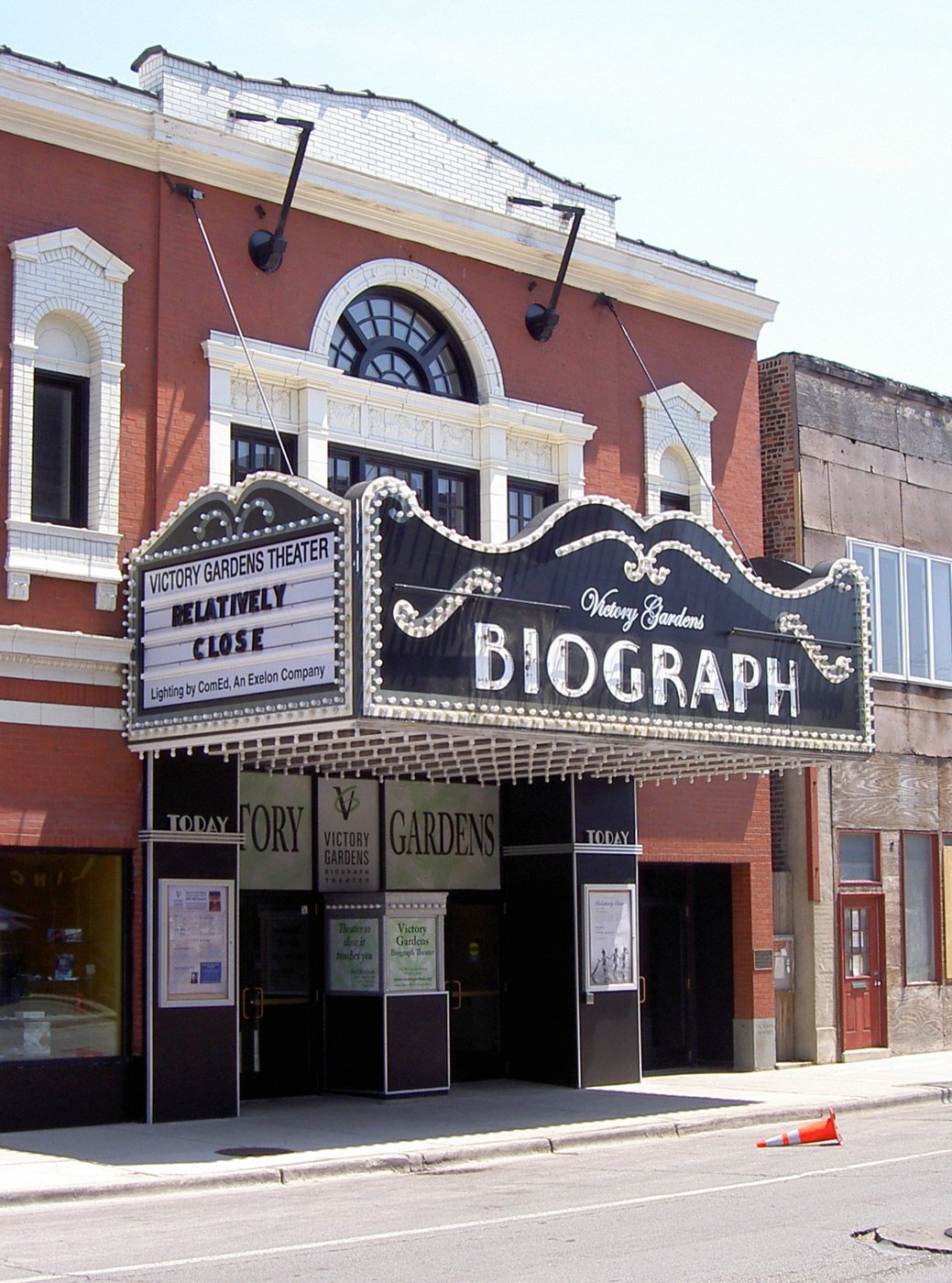
The main stage opened in 2006 with Charles Smith's Denmark. Construction accounts describe a 299-seat main house and a 135-seat studio, while later reporting gives the studio as 109. Porchlight's own 2026/27 subscriber guide lists its configurations as 230 and 109 seats. Capacity depends on the arrangement being described; an old construction figure should not be treated as the current ticket inventory.
A difficult pause, then a new season
American Theatre reported in April 2026 that the Biograph had largely lain dormant since September 2022, following leadership disputes, artist resignations and staff dismissals. Its report described interim leaders Edward Torres and Archana Vaidya trying to rebuild activity through readings, workshops and other events. That was an account of the preceding period, not a permanent closure notice.
Porchlight's 2026/27 season makes the change visible. Alongside Little Shop of Horrors, its schedule lists Dead Outlaw for February 10-March 21, 2027, and Shake It Away: The Ann Miller Story for April 2-25. The season page already records September's New Faces Sing Broadway concerts as past events.
Porchlight explicitly says it rents space at the Biograph and is not co-producing with Victory Gardens. Victory Gardens' direct website welcomes the company and sends production and ticket questions to Porchlight. A rental season is not evidence that Porchlight bought the building or that the two organizations merged.
The Biograph on screen
For Michael Mann's Public Enemies, released in 2009, the Biograph and neighboring Lincoln Avenue storefronts were redressed to evoke 1934. Contemporary photographs published by HollywoodChicago in May 2008 document the location work. The film returned Johnny Depp's Dillinger to the real theater frontage, rather than using only an invented studio street.

The result is a reconstruction of a historical setting, not untouched evidence of it. Signs, shopfronts and period vehicles were part of a production. Comparing the film with the 1934 crowd photograph and the present facade is a useful way to separate the actual building from the layers added by memory and moviemaking.
Who owns it, and how can you visit?
Victory Gardens purchased the property in 2004 and remains the organization associated with the venue in current institutional statements. Porchlight identifies itself as a tenant, not the owner. Public statements do not by themselves establish the present deed-holding legal entity. The most useful distinction for a visitor is that current show information comes from Porchlight.
Checked November 9, 2026, the Biograph is a performance venue, not a museum with advertised daily interior tours. Check the dated production calendar and ticket availability before going inside. Porchlight lists reserved seating and says both spaces are accessible; contact its box office at (773) 777-9884 for a suitable seat or specific accommodations.
Its season FAQ says snacks and alcoholic and nonalcoholic drinks are sold beginning one hour before performances and at intermission when applicable. That service is tied to events, not an all-day restaurant. The Fullerton station is the nearby rail stop identified by Porchlight.
Food on Lincoln Avenue
Current listings conflict over whether Allende Restaurant at 2408 North Lincoln Avenue remains open. Don't rely on its older late-night hours; confirm before making a trip.
Sources
- City of Chicago: landmark report, architecture and Dillinger encounter
- City of Chicago: landmark designation
- PBS American Experience: Sage, Hamilton and Purvis
- Pepper Construction: 2006 conversion and project team
- American Theatre: Victory Gardens history and April 2026 rebuilding
- Porchlight: current 2026/27 season and past September events
- Porchlight: 2026/27 seating, tenancy, access and concessions FAQ
- Victory Gardens: Porchlight welcome and ticket inquiries
- HollywoodChicago: May 2008 Public Enemies location photographs
- Allende listing (unofficial; hours not verified)