Soldier Field: A Century of Crowds on the Lakefront, and an Uncertain Home Game
November 2, 2026
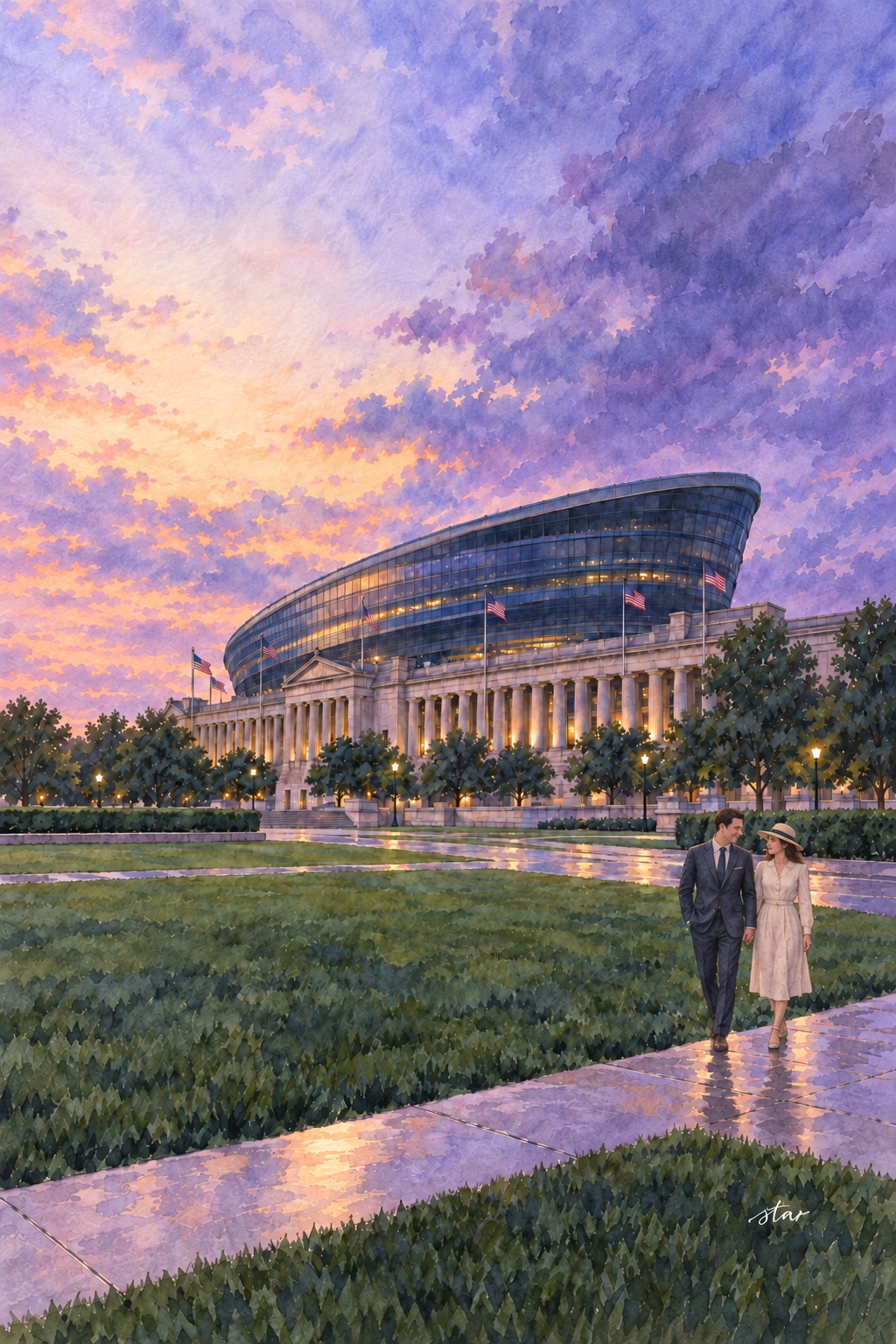
Soldier Field was a public gathering place long before it became the Bears' permanent home. Its lakefront history includes boxing, religious congresses, political rallies, college football, the first Special Olympics and concerts. The building was designed to bring Chicago together at a scale that ordinary halls could not accommodate.
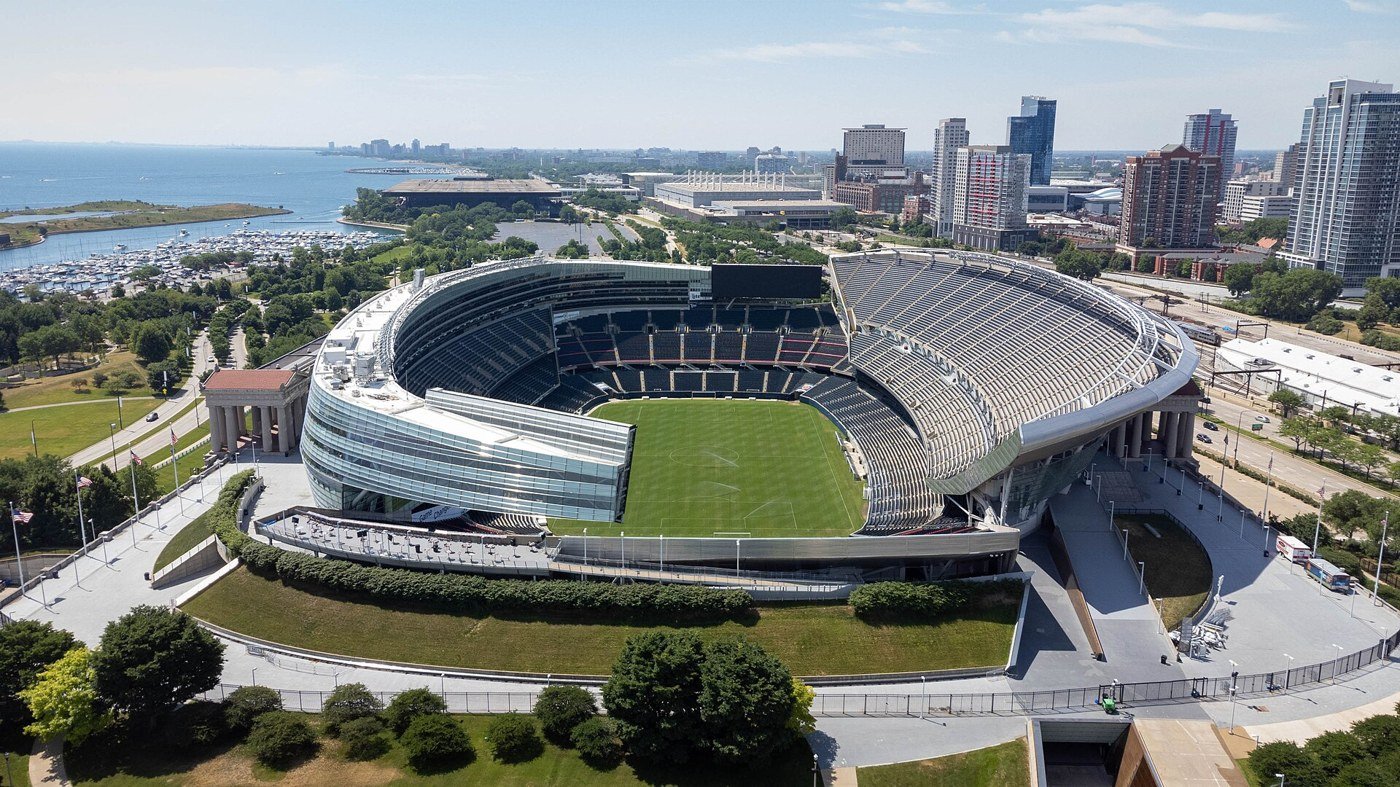
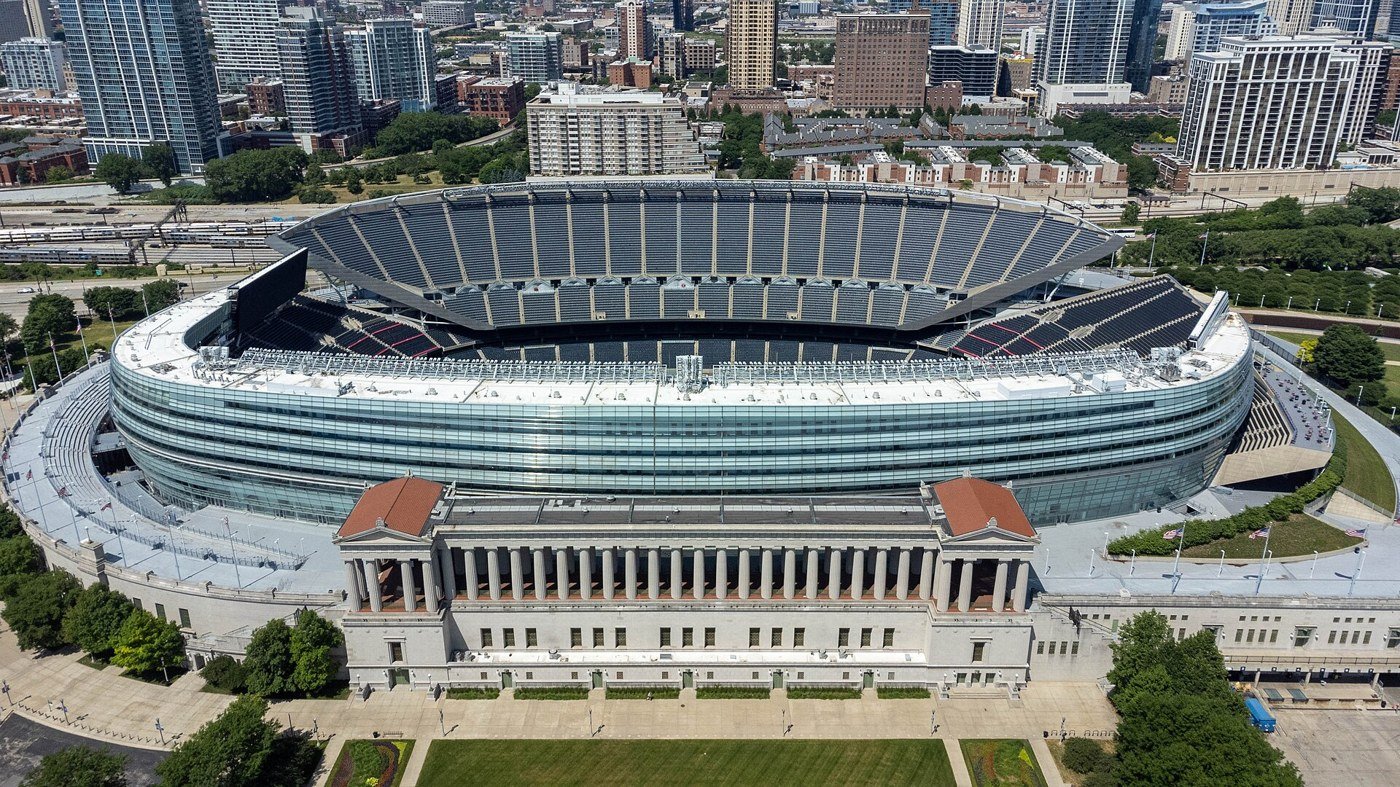
Today its architecture tells two stories at once. Classical colonnades survive from the 1920s memorial stadium, while an asymmetrical glass-and-steel bowl rises above them from the 2002-2003 reconstruction. The contrast is unmistakable. So is the uncertainty surrounding its best-known tenant: as of November 9, 2026, the Bears were still discussing stadium possibilities in Illinois and Indiana.
A public arena before a team home
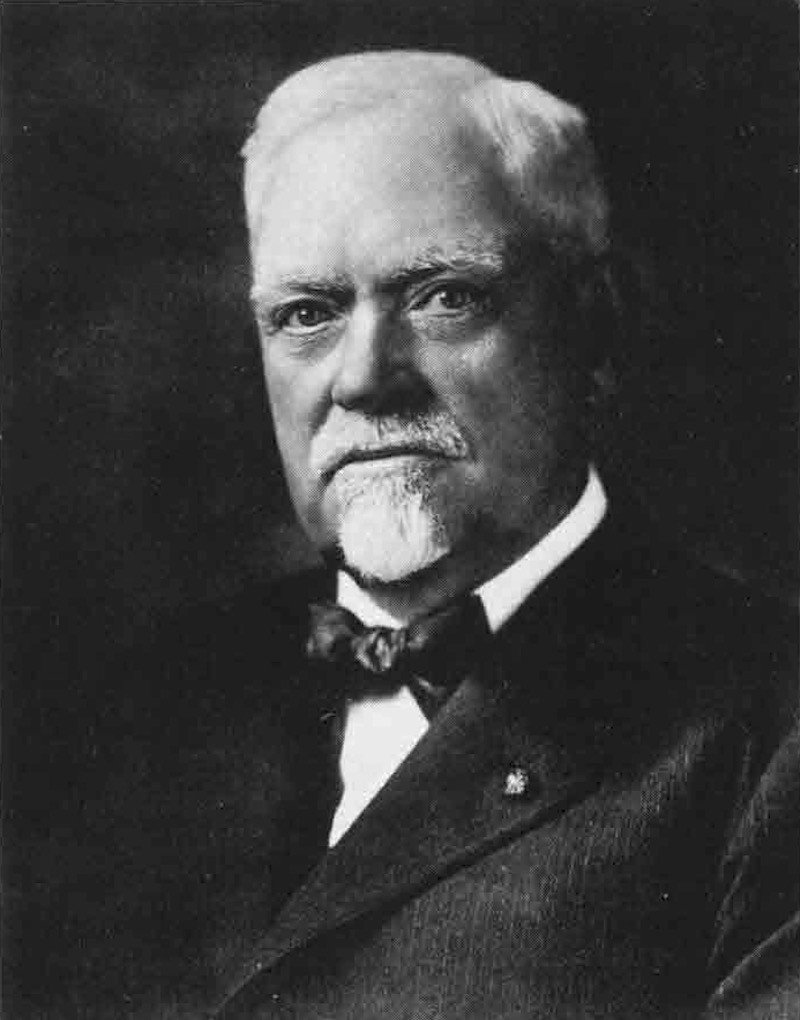
The South Park Commission hired Holabird & Roche in 1919. The 1909 Plan of Chicago by Daniel Burnham and Edward Bennett had assigned this stretch of lakefront to athletic uses, and the new stadium carried that idea into built form. It was not conceived simply as a purpose-made home for one professional football franchise.
Grant Park Municipal Stadium formally opened on October 9, 1924, the fifty-third anniversary of the Great Chicago Fire. The first official opening event was an athletic meet for Chicago police officers. Construction and expansion continued after the opening. The stadium's own history describes three stages between 1922 and 1939, costing $13 million in total; that is a longer construction account than the first opening alone.
At the urging of the Gold Star Mothers, it was renamed Soldier Field on November 11, 1925, honoring Americans lost in the First World War. The Army-Navy game on November 27, 1926 became its formal dedication. With approximately 110,000 spectators and a 21-21 tie, the occasion joined military remembrance to a mass sporting event.
Classical columns, modern concrete
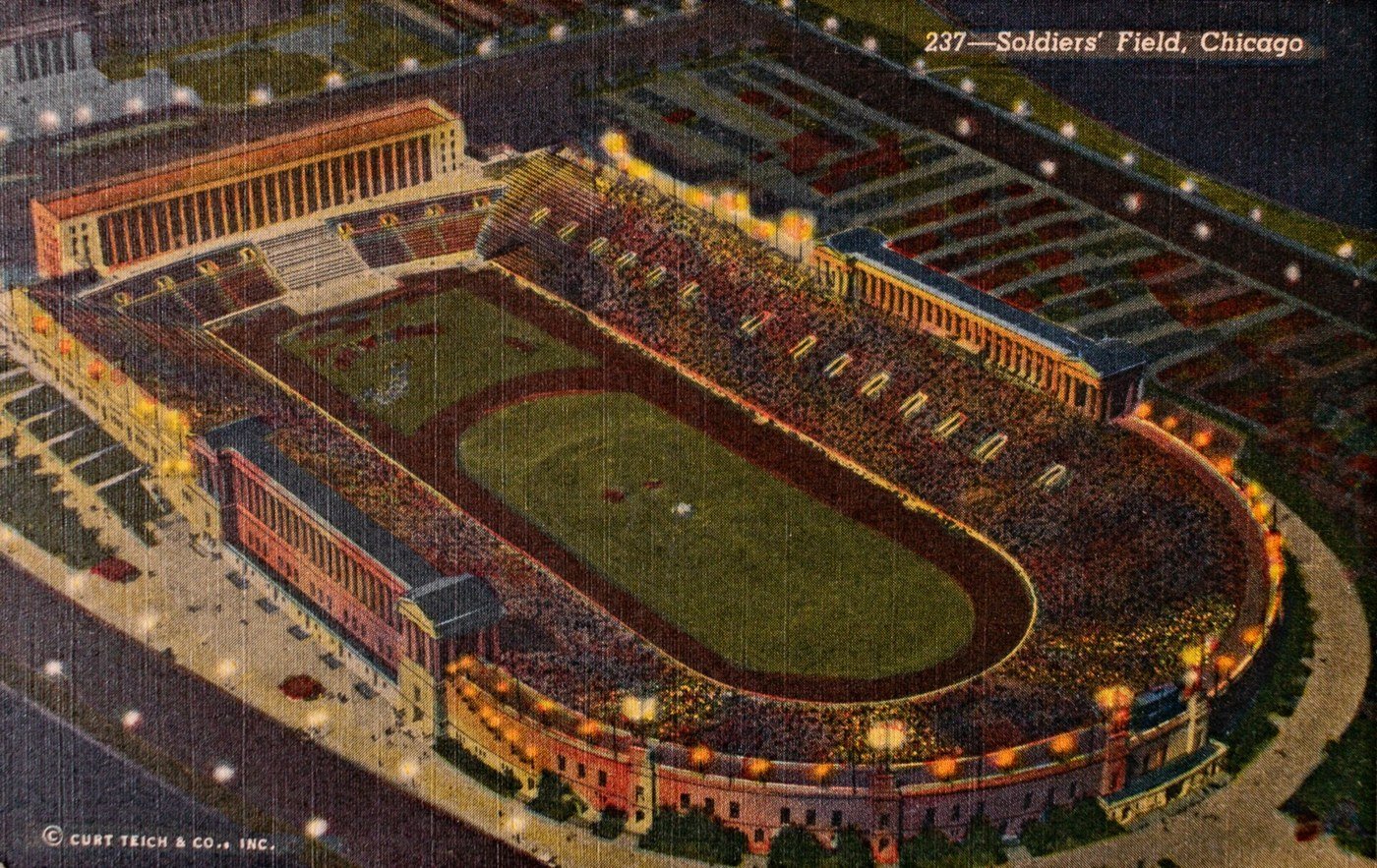
Holabird & Roche gave the stadium a U-shaped plan, with its open end facing the Field Museum. The museum and stadium belonged to the same monumental lakefront landscape: buildings intended to appear civic, durable and larger than everyday commerce. Doric colonnades along the east and west sides became Soldier Field's defining image.
The National Park Service describes double rows of thirty-two columns as decorative curtains above the seating. Their classical appearance did not mean the stadium used ancient construction methods. Engineering firm Wiss, Janney, Elstner Associates identifies the colonnades as precast and cast-in-place concrete formulated to resemble granite, with reinforced structural concrete in the concourses and grandstands.
That distinction matters when looking closely. The stadium's monumental surfaces are part of a twentieth-century engineered structure, exposed to Chicago weather and the wear of enormous crowds. WJE's long repair history includes strengthening, concrete repair, corrosion control and work on the historic coffered ceilings. The surviving perimeter has required continued care rather than simply standing untouched.
A four-story Chicago Park District headquarters building closed the northern end in 1939. Other changes replaced plank seating with individual chairs and added facilities for spectators and the press. Soldier Field's familiar historic form was itself the result of decades of construction, not one perfectly preserved opening-day arrangement.
A city-sized audience
Before regular professional tenants, the stadium's calendar was unusually varied. The 1926 International Eucharistic Congress filled it for religious gatherings. The 1927 Dempsey-Tunney heavyweight rematch made it the stage for boxing's famous long count. Notre Dame and Southern California drew an estimated 123,000 that same year, a number far beyond the modern stadium's seating.
Franklin Roosevelt addressed a wartime crowd in 1944. Martin Luther King Jr. appeared at the Chicago Freedom Movement rally on July 10, 1966, with performers including Mahalia Jackson and Stevie Wonder. These gatherings make the history larger than a succession of scores: Soldier Field was a place where a crowd could become a civic statement.
In 1968 it hosted the first Special Olympics games. The stadium's present address, 1410 Special Olympics Drive, preserves that association. Its event history also includes rodeos, motor racing, open-air opera, skiing and major concerts. Such variety was close to the original intention of a public arena available for many kinds of collective experience.
The Bears arrive in 1971
The Bears left Wrigley Field for Soldier Field as the NFL required larger stadiums. Their first regular-season home game there, September 19, 1971, ended with a 17-15 win over Pittsburgh. A stadium that had long accommodated occasional football now had a recurring professional season around which a major part of its identity would be built.
Seating arrangements changed to bring fans closer to the action. Later reconstruction of stands, lighting, changing rooms and the playing surface continued the adaptation. The Chicago Architecture Center notes that the field used artificial turf from 1971 through 1987 before natural grass returned in 1988. Those changes were about the weekly experience of players and spectators as much as the appearance from the lakefront.
A new bowl inside the old walls
The 2002-2003 project went much further. Benjamin T. Wood and Carlos Zapata designed the new stadium bowl, while Lohan Associates, led by Dirk Lohan, handled the grounds. The Bears played their 2002 home season in Champaign during the work. They returned to the rebuilt Soldier Field on September 29, 2003.
The renovation, generally reported at about $632 million, replaced the interior while keeping the historic perimeter. Curving steel and glass rose above the colonnades. The new seating was cantilevered and deliberately asymmetrical, with premium accommodation and modern spectator facilities rather than a reconstruction of the original amphitheater.
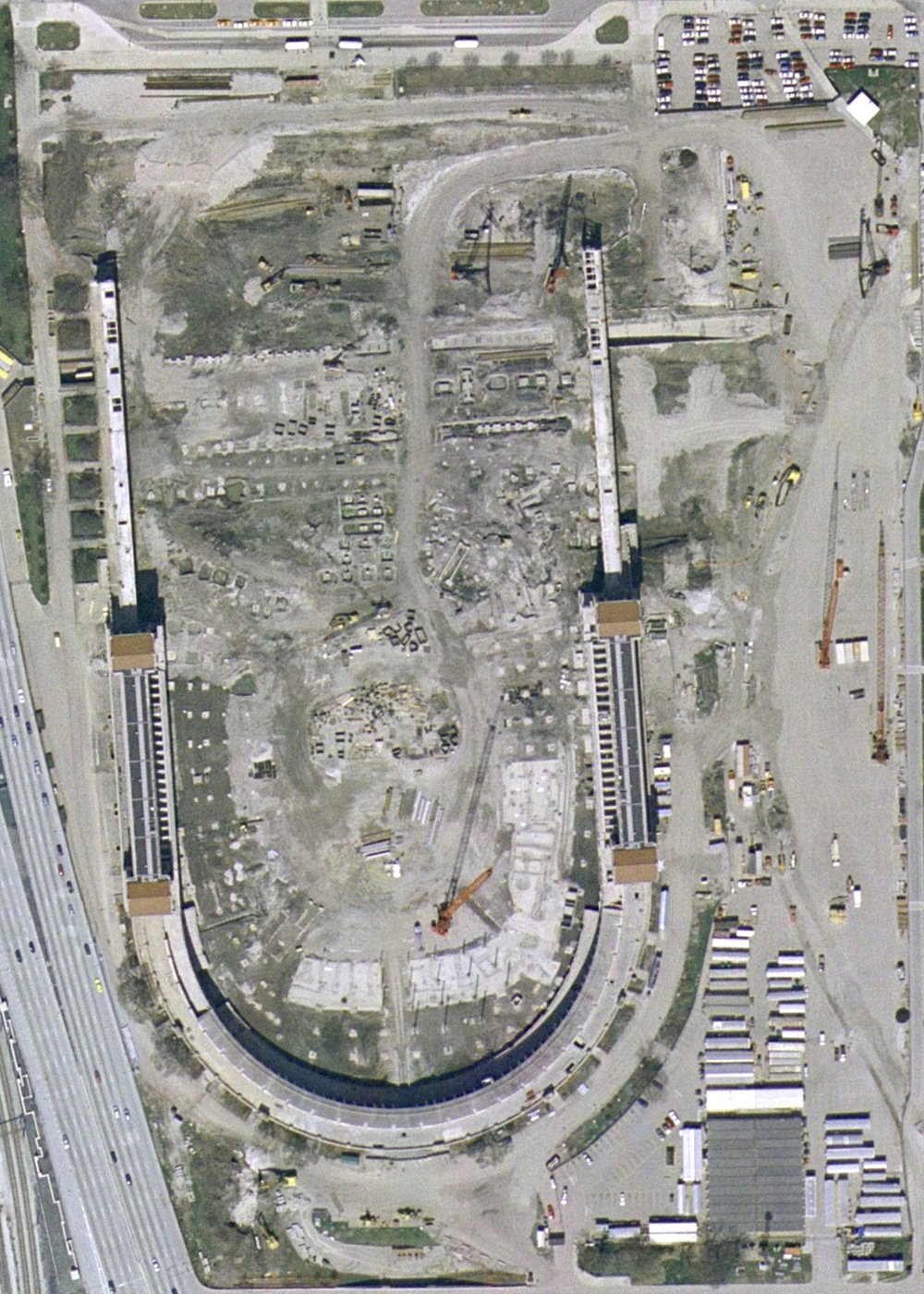
From inside, the new arrangement concentrated attention on the playing field. From outside, it changed the balance between the old columns and everything behind them. The National Park Service concluded that the new bowl eclipsed the colonnades and that the destruction of the historic seating bowl and other spaces had seriously reduced the stadium's ability to convey its earlier appearance.
Soldier Field had become a National Historic Landmark on February 27, 1987. That designation was withdrawn on February 17, 2006. This was a specific federal preservation decision, not a statement that the building had ceased to be a war memorial or a public stadium. The surviving colonnades still carry historical meaning even though the remodeled whole no longer met the designation's requirements.
Beyond a Sunday football game
The 1994 men's World Cup and the 1999 Women's World Cup used the old stadium, before the reconstruction. Later international soccer, rugby, outdoor hockey and concerts used the rebuilt venue. The distinction matters: the same name and location link these events, but they did not all take place inside the same seating structure.
The Chicago Fire returned in 2020, after years in Bridgeview. The stadium operator also dates its first NFL LEED certification for an existing building to 2011. Conservation, maintenance and changing event needs remain part of the building's working life, even as public debate often concentrates on the Bears and a possible replacement.
Who owns Soldier Field, and what comes next?
The Chicago Park District owns Soldier Field; its predecessor South Park Commission built it before the district was formed in 1934. The stadium's direct website identifies ASM Global as manager. It advertises a capacity of 63,500, although event arrangements and football seating figures elsewhere vary. That venue-wide figure should not be mistaken for a guaranteed number of seats released for every game.
The Bears' relocation proposals remain proposals, not a completed move. In reporting published November 9, 2026, the club said it was completing due diligence on two Hammond sites near Wolf Lake while also discussing legislation with Illinois leaders. November 6 reporting quoted Governor JB Pritzker hoping for action during the coming veto session. Neither statement establishes an enacted financing package or a final stadium location.
The choices concern more than a football field. A new home would change the calendar and finances of a publicly owned lakefront venue that was built for many purposes. The question of Soldier Field's next use therefore remains distinct from the question of where the Bears choose to play.
Soldier Field on screen
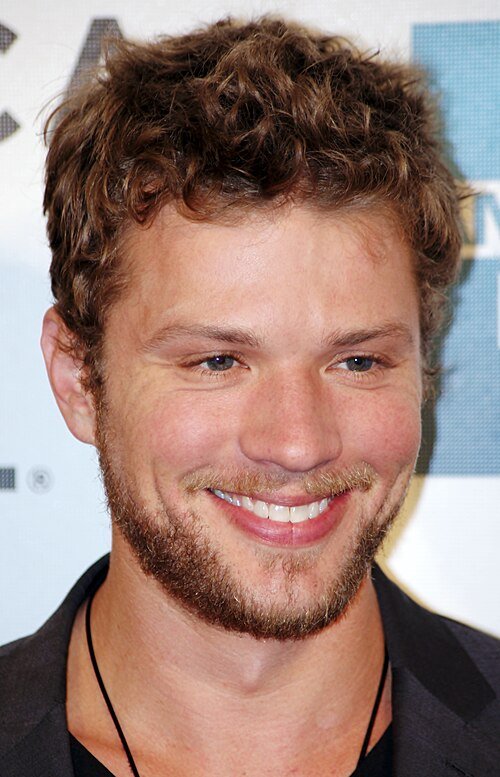
Clint Eastwood's Flags of Our Fathers (2006) filmed at Soldier Field among several Chicago locations. Its war-bond rally recreates a flag-raising on an artificial mountain before a cheering audience. Ryan Phillippe, Jesse Bradford and Adam Beach play the servicemen sent on the bond tour. The sequence turns a familiar sporting arena into a stage for wartime persuasion.
Captive State (2019) gives the stadium a darker role. Richard Roeper's Chicago Sun-Times review describes a rally of allegiance to the film's alien-backed regime at Soldier Field. That is an account of the stadium's appearance in the story, separate from proof about how every shot was produced. The real building's long history of mass gatherings makes both films' choices of setting easy to understand.
Visiting the colonnades and finding dinner
Checked November 9, 2026, the Park District says the colonnades are accessible on non-event days, with event operations affecting access. The stadium offers scheduled Classic and VIP tours through its direct tour page. Classic tours list the south courtyard, visitor locker room, interview room, skyline suite, colonnades and field; VIP tours add an on-field period and video control room. Check the actual tour date and event restrictions before traveling rather than treating park hours as unrestricted admission to the stadium interior.
The Chicago Firehouse Restaurant at 1401 South Michigan Avenue offers a nearby architectural continuation: dinner inside the 1905 Romanesque Revival building that housed Engine Company 104. Its direct site lists steaks, chops and seafood. Dining-room hours are Monday-Thursday 4-10 p.m., Friday-Saturday 3-10 p.m. and Sunday 3-9 p.m. The bar stays open until 11 p.m. Monday-Saturday. Recheck hours and event-night plans directly before going.
Sources
- Soldier Field: official history, ownership, manager and advertised capacity
- National Park Service: architecture and withdrawn landmark designation
- Chicago Architecture Center: design history and architect roles
- Wiss, Janney, Elstner Associates: historic concrete and structural repair record
- Encyclopedia of Chicago: public construction and 2003 renovation
- Chicago Park District: public colonnades and grounds
- Soldier Field: direct tour descriptions and booking route
- Indiana Capital Chronicle / WFIU, November 9, 2026: Illinois discussions and Hammond due diligence
- NBC Chicago, November 6, 2026: possible legislative timetable, not a completed deal
- Chicago Movie Tours: Flags of Our Fathers Chicago locations
- Rolling Stone, October 16, 2006: rally scene and cast
- Chicago Sun-Times, March 15, 2019: Captive State stadium rally
- Chicago Firehouse Restaurant: building history, menu and hours